Septic Tank Smell: Full Diagnostic and 23 Expert Solutions
Septic odors can make their way inside the house, near the tank, into the yard, or around the leach field. Each location points to a different cause with a different fix. Most of the time, septic smells are unpleasant but not dangerous.
What causes septic smell inside the house?
If septic odor is finding its way inside your house, it usually means you have a plumbing problem rather than a failing septic system. That’s actually good news since most of these causes are simple to fix yourself.
Dried-out floor drain or P-trap
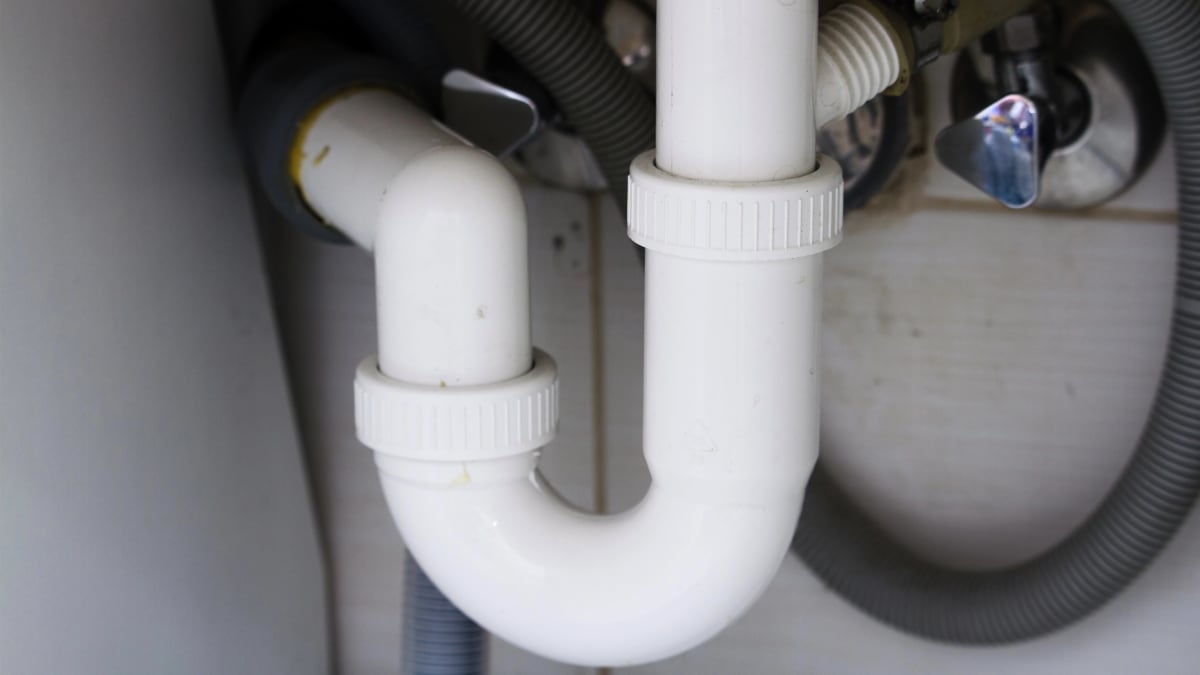
The drying out of a trap in your basement floor drain might result in the gases from the septic tank coming back into the house. The water sitting in that P-trap acts as a seal. When it evaporates from lack of use, that seal disappears and gases come straight through.
Fix: Periodically fill the floor drain with water. If the water level looks normal but the smell persists, ask your plumber to check the cleanout access plug. A loose plug can also allow gases to escape into your home and fixing it will resolve the problem.
If you only notice the smell when water is running, such as during a shower or while doing laundry, a dry P-trap is almost certainly the cause. When water rushes through the drain, it creates a brief drop in air pressure that pulls gases up through the trap before the water refills it. The smell is short-lived but it’s a clear diagnostic signal. Run water in the affected drain and if the smell stops, you’ve found your culprit.
Blocked or frozen vent pipe
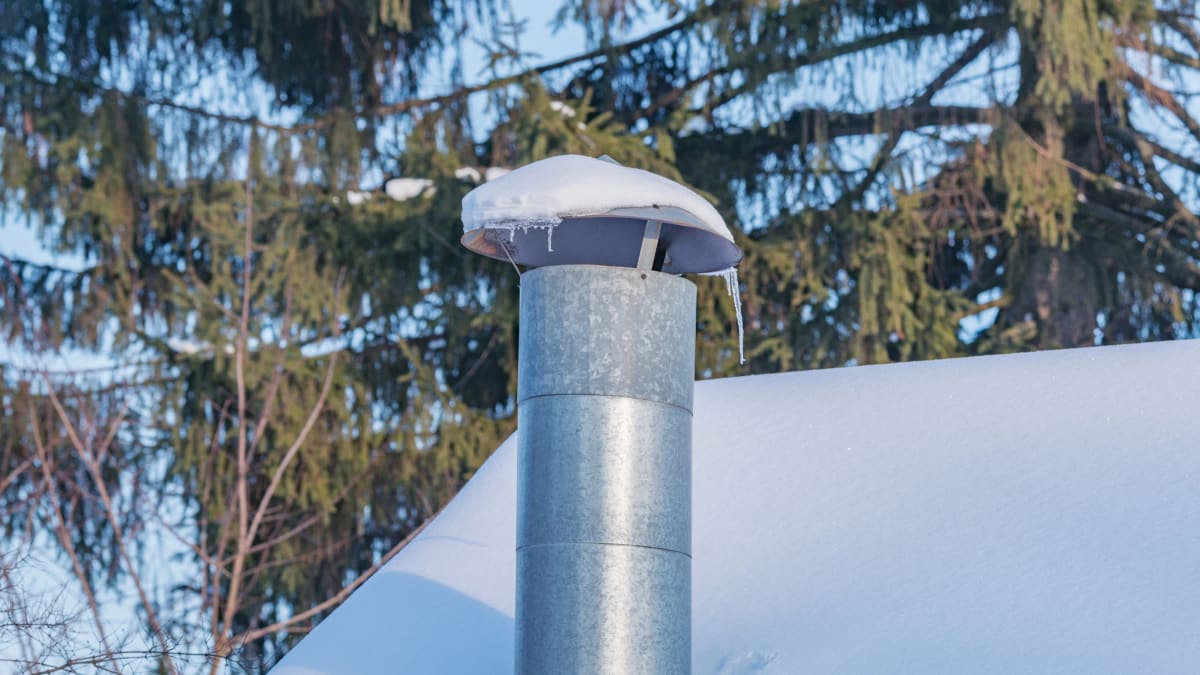
The plumbing vent on the roof of your house helps to equalize pressure in your drainpipes as the wastewater flows through. Without this vent, the sinks, toilets and tubs would gurgle constantly, the traps would dry out and the odors would come back into the house. A blocked or frozen vent will therefore result in septic smells throughout the home. Vent pipes can freeze in prolonged cold weather or get blocked by leaves and other debris.
Fix: Check the roof vent for debris, ice or snow. You can unfreeze a blocked vent by carefully pouring hot water into the stack. If it freezes every winter, consider insulating it as a preventive measure.
Poorly sealed ejector pump cover
A cover that is not sealed properly on the ejector sump pump basket in the basement can also let septic odors into the home. It’s easy to overlook but worth checking before calling a plumber.
Fix: Check that the cover on the ejector sump pump basket is properly sealed.
Cracked wax ring under the toilet
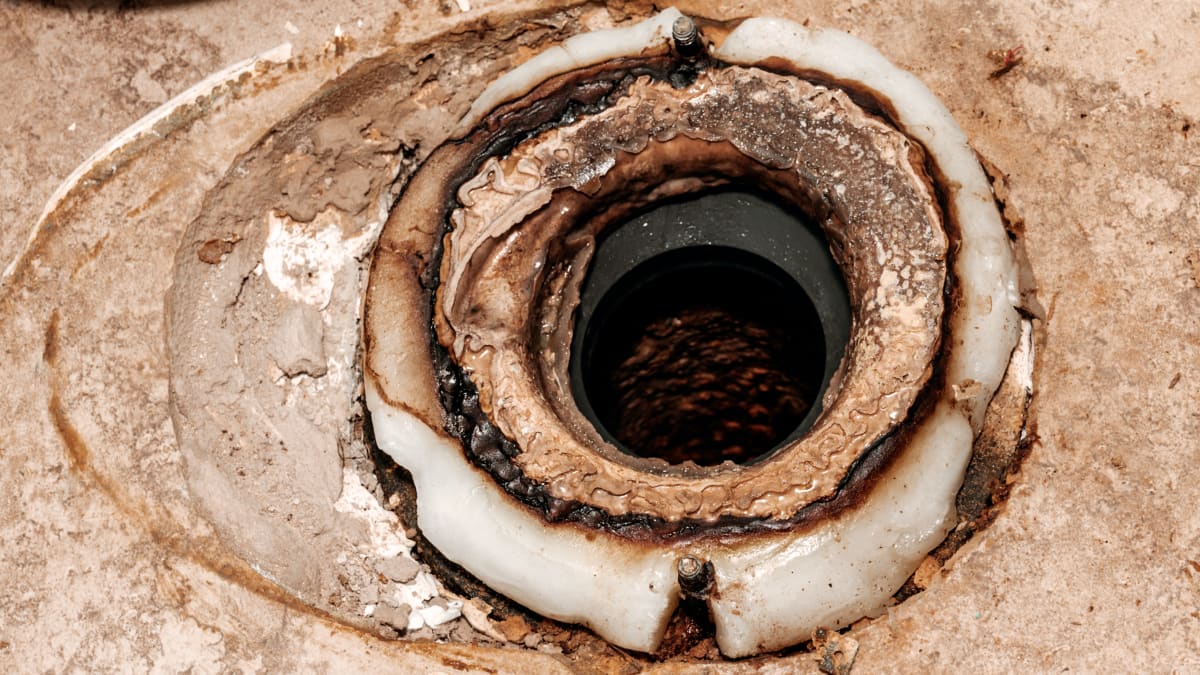
The wax ring creates an airtight seal between the base of your toilet and the drain pipe. When it dries out, cracks or shifts over time, sewer gas enters through the gap. You’ll notice this most in bathrooms where you wouldn’t otherwise expect a septic smell.
Fix: This is a job for a licensed plumber. Replacing a wax ring requires removing the toilet but it’s a straightforward repair. Don’t wait on this one since the gas will keep coming in until the seal is replaced.
What causes septic smell near the tank?
A septic odor coming from around the tank itself usually points to one of three things: the tank is full, the lid isn’t properly sealed, or the bacteria inside aren’t doing their job. Here’s how to tell which one it is.
Poor bacterial activity in the tank
Some homeowners pump their tank regularly and still can’t get rid of the smell. Pumping removes the solids but it doesn’t fix a bacterial imbalance. When beneficial bacteria are in short supply, sulfate-reducing bacteria become more dominant and produce more hydrogen sulfide, the rotten egg smell most people associate with septic systems.
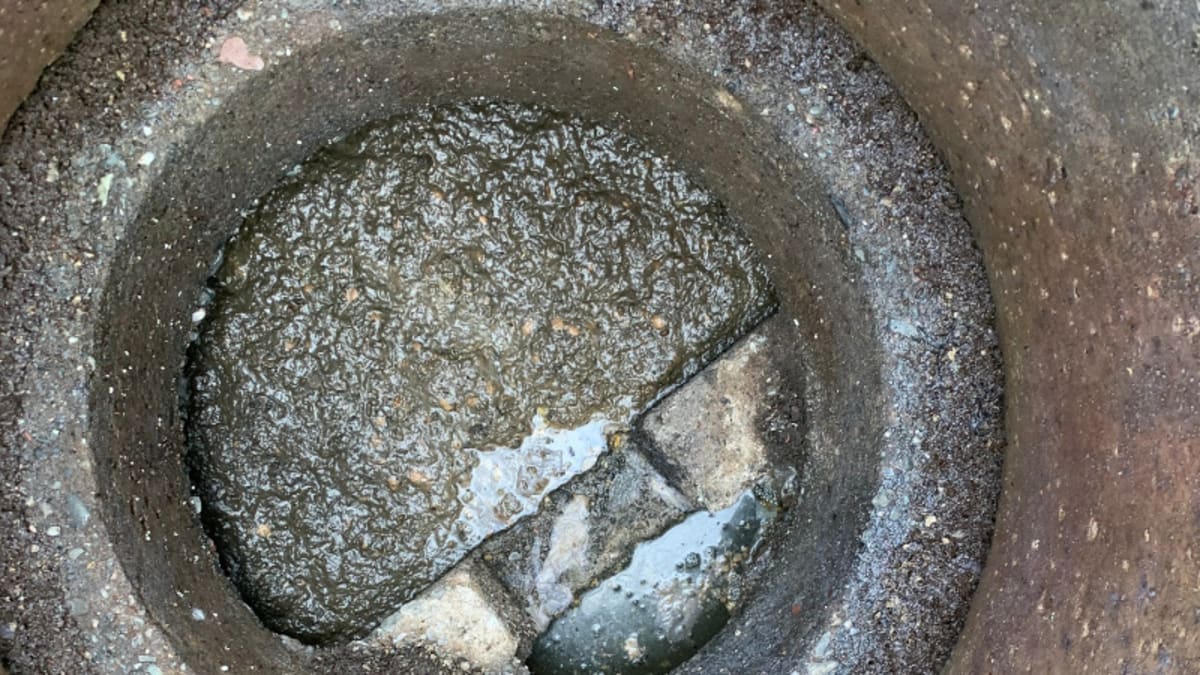
Research confirms it: one study found that introducing beneficial Bacillus bacteria into anaerobic systems reduced hydrogen sulfide production by up to 86% compared to untreated controls. A separate study found odor-causing sulfur compounds reduced to near-zero levels in treated systems versus hundreds of parts per million in untreated ones. That is not a marginal improvement. That is the difference between a system that smells and one that doesn't.
Our own data confirms it. After surveying 651 homeowners who used Bio-Sol products to treat a struggling septic system, we found an 86% success rate for odor problems. For leach field clogging, the success rate is 81%. These are not theoretical numbers. They are results reported by real Canadian homeowners.
Contact us at 1-800-378-6132 (Canada only) for a free evaluation!
Did you know? Sulfate-reducing bacteria are naturally present in most septic tanks. These bacteria obtain energy through the oxidation of organic compounds and they do this as they reduce sulfate to hydrogen sulfide, hence their name, sulfate-reducing bacteria. When beneficial bacteria are in short supply, sulfate-reducing bacteria become more active and hydrogen sulfide production increases. That’s why a struggling tank smells so much worse than a healthy one.
Fix: The problem is not the smell itself. It is the bacterial imbalance producing it. When beneficial bacteria outnumber sulfate-reducing bacteria, hydrogen sulfide production drops dramatically. Flush Septi + monthly in your toilet to introduce billions of beneficial bacteria, restore that balance, keep organic waste breaking down efficiently and control odors at the source rather than masking them.
Cracked or loose tank lid
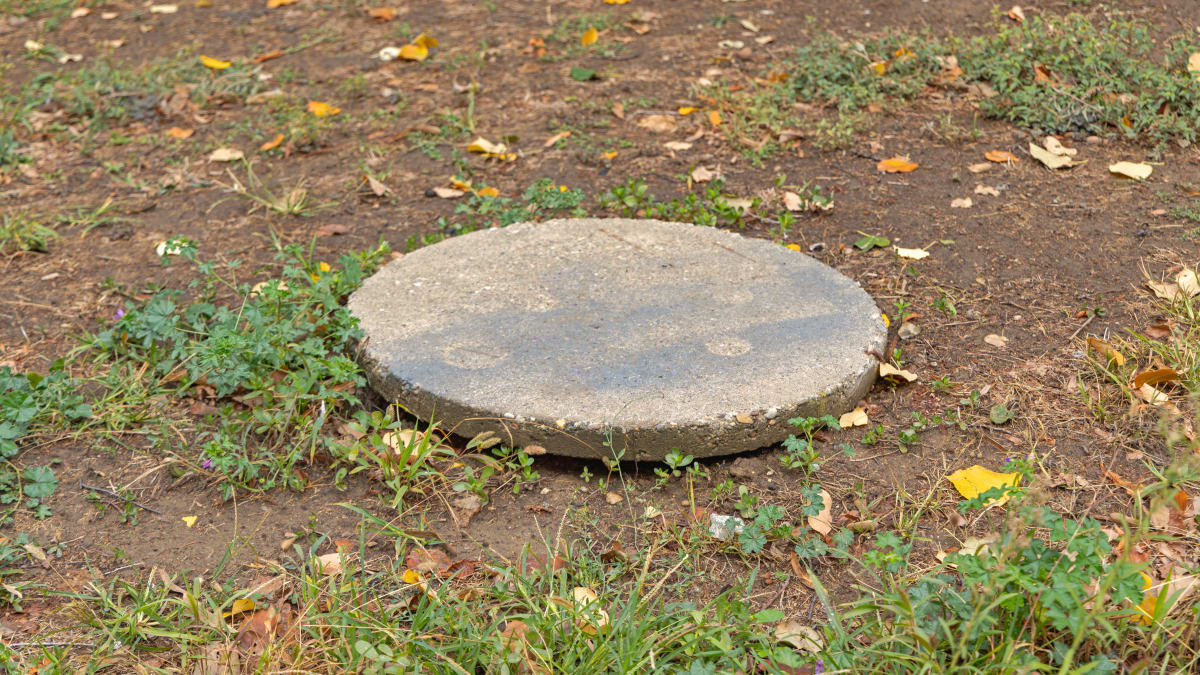
If the septic tank cover gets dislodged or damaged, gases escape directly through the gap and you’ll smell it right near the tank. This is one of the easiest causes to check and fix yourself.
Fix: Make sure all risers and manholes are securely covered. If your lid is old or cracked, replace it with a newer plastic lid fitted with a rubber seal. These are specifically designed to keep gases contained. If you have a concrete lid that’s leaking odors, weather stripping makes a good temporary seal until you can replace it properly. Keep in mind this seal will need to be redone after any maintenance work on the tank.
Tank full and due for pumping
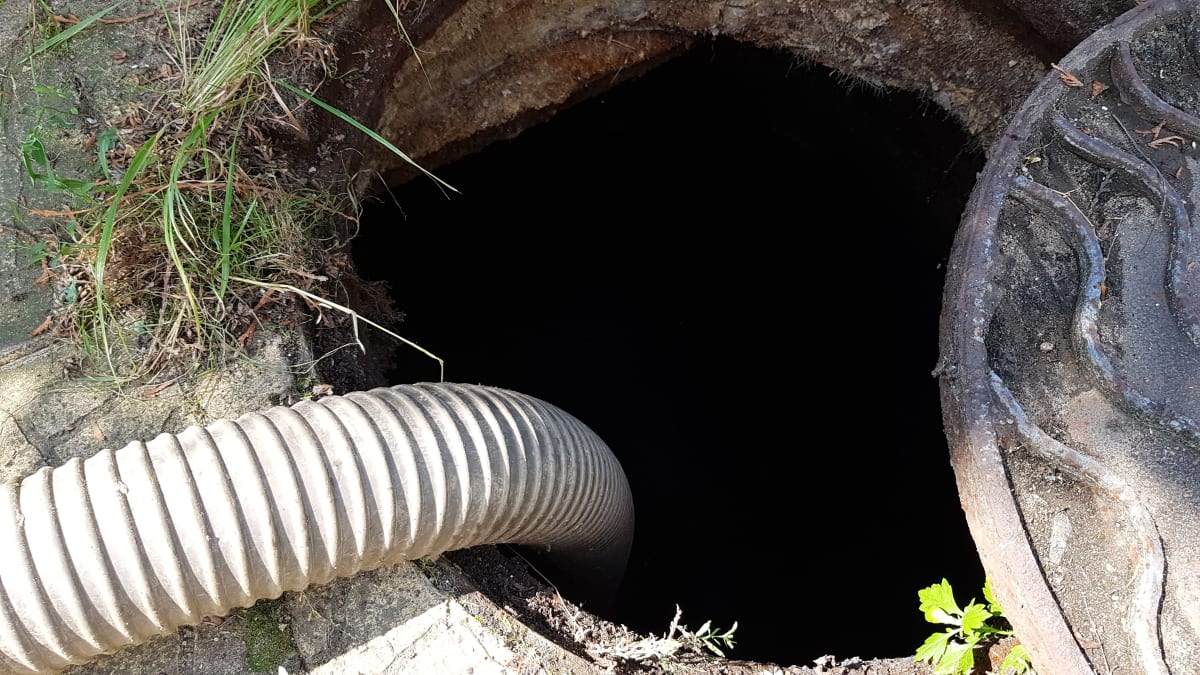
When a tank gets too full, there’s no longer enough space for waste to be properly digested before it gets pushed toward the leach field. Partially broken down organic matter ends up reaching places it shouldn’t. The result is stronger odors near the tank and around the yard.
Fix: Have your tank pumped according to your local regulations. Frequency varies by province and by system size, so check with your municipality to confirm what applies to you. Once pumped, add Septi + right away to restart the bacterial activity in your tank and keep odors from coming back.
What causes septic smell outside around the yard?
A septic smell outside around the yard usually comes from one of two places: the vent pipe on your roof isn’t diffusing gases far enough away, or the septic system itself is struggling. The two effects feel similar but point to very different fixes, so it’s worth figuring out which one you’re dealing with.
Vent pipe not diffusing gases far enough
Homes in forested areas and valleys are especially susceptible to this problem. As the wind blows over the house, air currents which should ordinarily carry these odors away from the house might instead carry them down into the yard. The vent pipe is doing its job but the gases aren’t getting far enough away from your living area.
Fix: If your home is in a valley or a forested area, extending the vent pipe higher can help push gases further away. You can also place a carbon filter on top of the vent to absorb odors before they disperse. Replace this filter annually for best results and make sure whatever filter you use doesn’t restrict airflow.
If you only notice the smell in the evening or early morning during spring, summer or fall but not during the day, this is likely a weather effect rather than a system problem. At dawn and after sunset, ground-level air cools and becomes denser, which traps gases close to the surface instead of letting them rise and disperse. Once the day warms up and air begins to move, the smell typically disappears on its own. If it persists through the day as well, refer to the other causes in this section. In winter, persistent odors at any time of day are more likely related to frozen vents or cold air density, which we cover in the winter section below.
A struggling or overflowing septic system
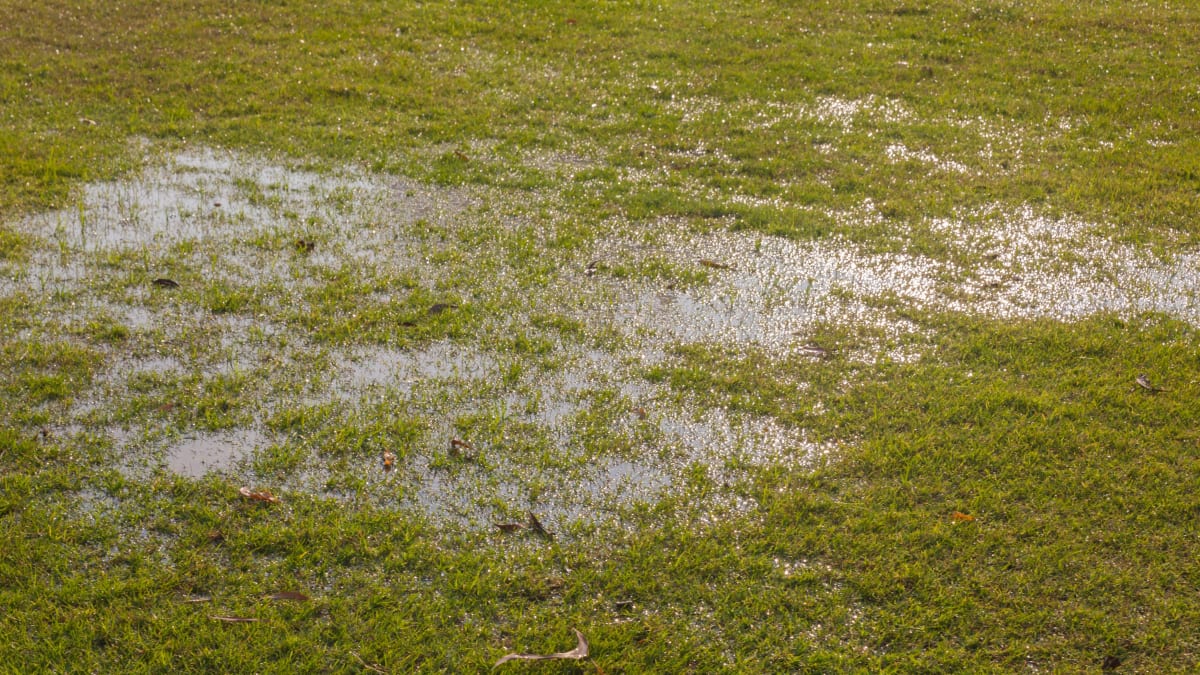
If the vent pipe seems fine but the smell outside is strong and persistent, the septic system itself may be struggling. A failing leach field can cause effluent to back up and surface near the tank or in the yard. You may also notice unusually green or soggy patches of grass above the leach field area. These are signs the system needs attention, not just a vent extension.
Fix: Before assuming you need a full system replacement, try a biological shock treatment. Most leach field failures are caused by a layer of organic buildup called biomat. It forms gradually at the bottom of the leach field and blocks water from draining through the soil. When the bacterial balance in the system is off, this layer keeps thickening instead of breaking down naturally. That’s when you start noticing odors, soggy ground and slow drains. A biological shock treatment with SeptiDrain and SeptiMax introduces concentrated bacteria and enzymes that digest the biomat and restore normal drainage.
Smell after heavy rain
A septic smell outside after heavy rain is fairly common and doesn’t always mean something is wrong. When heavy rain saturates the soil around the leach field, the ground temporarily can’t absorb and treat effluent the way it normally does. This causes a temporary buildup of organic matter near the surface, which produces stronger odors until the soil drains. The smell usually fades within a few days.

If the smell keeps coming back every time it rains heavily, that’s a different story. It likely means the leach field is partially clogged and struggling to handle normal flow, let alone extra water from rainfall.
Fix: If it happens occasionally after heavy rainfall, no action is needed. If the smell keeps coming back every time it rains, the leach field is likely struggling to handle normal flow. Start with Septi + to improve bacterial activity and organic breakdown. If the problem persists, a shock treatment with SeptiDrain and SeptiMax is the next step before considering replacing your system.
What causes septic smell near the drainfield?
A strong septic odor near the leach field (also called a drainfield) is one of the more serious signs that your septic system needs attention. It usually means waste isn’t being properly treated before it reaches the leach field. The most common reason for this is something most homeowners don’t think about: what they’re putting down their drains.
Household products killing your tank’s bacteria
Most household products used in sinks, drains and toilets contain substances that drastically reduce the bacteria population in the septic tank. Without enough bacteria, organic waste doesn’t get properly broken down before it reaches the leach field. That’s what leads to biomat formation, clogging and the strong odors you’re noticing near the leach field.
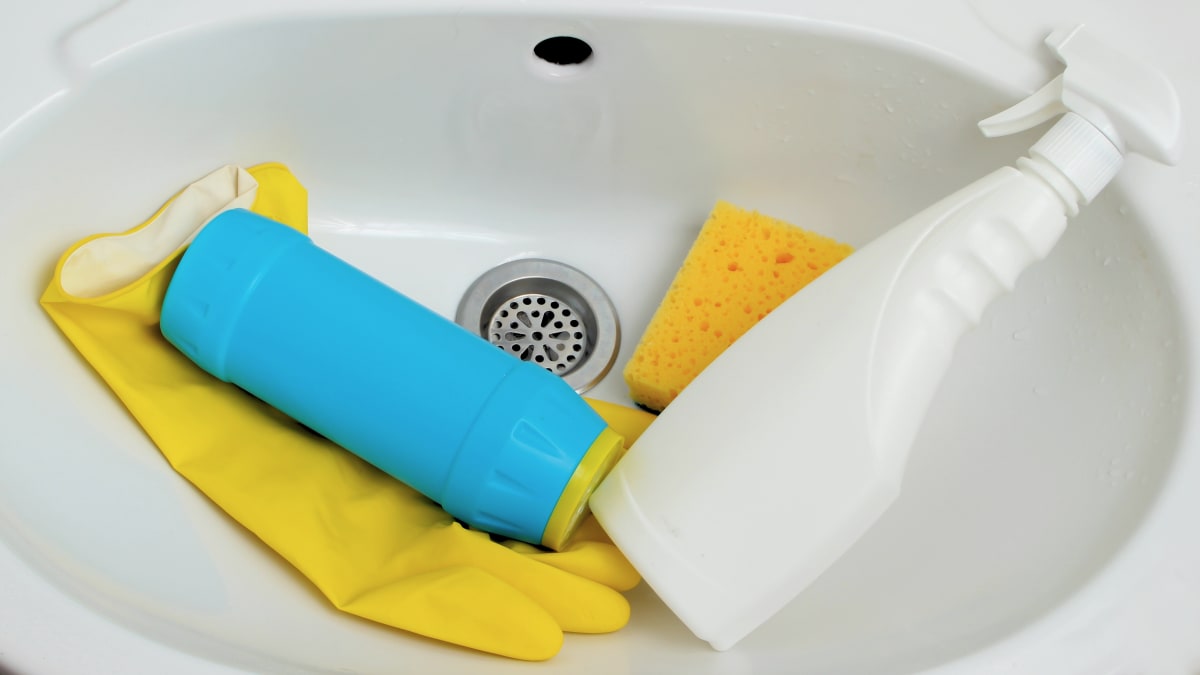
Common culprits include bleach, antibacterial soaps and certain detergents. For the full list of products to avoid, see our complete guide here.
Fix: Switch to septic-safe products and restore the bacterial balance in your tank. Adding Septi + monthly helps maintain a healthy bacteria population and protects your leach field from the organic buildup that causes odors and clogs.
Already clogged leach field
The most common cause of leach field failure is organic overload. Over the years, too much partially treated waste reaches the field. The reason is often the same: household products have reduced the efficiency of the bacterial flora in the tank. The biomat layer grows thicker and thicker until drainage slows to a stop.

Some of the clearest signs that your leach field is failing are puddles or soggy ground above the field that don’t dry up between rain events, unusually lush dark green grass growing directly over the field compared to the rest of the lawn, a persistent sewage smell, or slow drains and gurgling toilets inside the house even when your tank has been properly maintained. If you’re seeing any of these alongside the odor, the leach field needs attention soon.
Fix: Before spending $15,000 to $50,000 on a system replacement, try a Bio-Sol shock treatment first. Since 1992, thousands of Canadian homeowners have restored their failing leach fields with SeptiDrain and SeptiMax without any excavation. These products introduce concentrated bacteria and enzymes that break down the biomat and restore normal drainage. It’s safe for your system and should be your first step before calling a contractor.
Why does my new septic system smell?
A new septic system shouldn’t smell inside your home or strongly outside. If yours does, it’s usually one of a few easy-to-fix causes. All septic tanks produce gases as a normal part of waste breakdown. The vent pipe on your roof is what carries those gases safely away. Ideally you’d only catch a faint whiff in passing near the roof, fading quickly with the wind. If you’re noticing more than that, here’s what to check.
pH level out of range
The microbes in your septic tank need the pH to stay between 6.8 and 7.6 to work properly. When pH drops too low, conditions favor the bacteria that produce hydrogen sulfide, the rotten egg smell most people associate with septic systems. When it swings too high, beneficial bacteria slow down and waste doesn’t break down efficiently either.
Fix: The most effective way to keep your tank’s pH stable is avoiding harsh chemicals and antibacterial products down your drains. Some homeowners add a small amount of baking soda occasionally as a mild buffer, though its impact on a full tank is limited. Adding Septi + monthly helps maintain a healthy bacterial population which keeps the tank environment naturally balanced over time.
Tank filling up faster than expected
Even on a new system, a tank can fill up quickly with poor usage habits. Bacteria need enough time to break down organic waste properly. If the tank gets too full, wastewater gets pushed out prematurely to make room for new flow from the house. That partially treated waste reaching the leach field is what causes the odor.
Fix: Have your tank inspected to check the levels. If it’s filling faster than expected, review your water usage habits and what’s going down your drains. Adding Septi + monthly helps bacteria keep up with the organic load and slows down solid accumulation between pump-outs.
Cold weather slowing everything down

Cold weather can cause a septic system to produce stronger odors for several reasons. Your system can sometimes freeze in winter especially if you aren’t using it as much. The vent stack could also get blocked by snow, forcing septic gases back into the house. Downdrafts during cold weather can push gases back down toward the house and into any nearby opening like windows or vents. In cold weather, air is denser and odors don’t disperse as easily, which is why septic smells tend to be more noticeable in winter than in summer.
Fix: Keep using your system regularly through winter to prevent freezing. Check the vent stack for snow or ice blockages. Cold temperatures also slow down bacterial activity in the tank, so maintaining Septi + year-round is especially important heading into winter.
Not enough bacteria to handle the load
A new system sometimes doesn’t have enough active bacteria to handle the household’s waste load right away. This can happen when the system is brand new, after a period of low use, or when household chemicals have reduced the bacterial population.
Fix: Adding Septi + gets the bacterial population up to speed quickly. Using it once a month helps replenish the bacteria and keep your system working the way it should.
Why does my septic smell after being pumped?
Getting your tank pumped and still noticing a smell is one of the most frustrating septic experiences. You just paid for a service and the problem seems to be back right away. There are actually two possible reasons for this and they each have a different fix.
The bacteria were removed along with everything else
When a tank gets pumped out completely, it’s emptied of everything including the bacteria that were breaking down waste. With the bacterial population gone, organic matter entering the tank sits undigested and produces stronger odors than usual. This is the most common reason for post pump-out smells and it’s not a sign anything went wrong. It’s just your tank waiting for its bacterial activity to restart.

The problem is that rebuilding naturally can take weeks. During that time odors are noticeable and waste isn’t being broken down efficiently, which puts extra load on your leach field.
Fix: Add a full bag of Septi + right after your pump-out to give the bacterial population an immediate boost. This is the most critical moment to use it since the tank is essentially starting from scratch. In the first few days after pumping, try to run water normally or slightly more than usual. This helps the tank refill faster, raises the liquid level quicker and reduces the risk of the scum layer forming too close to the outlet pipe before enough volume builds up. Using Septi + monthly after that keeps the bacterial population healthy and your system working efficiently year-round.
The lid wasn’t properly resealed after the pump-out
During a pump-out, the contractor opens the tank to access it. If the lid isn’t seated and sealed properly when they leave, gases escape directly through the gap. This is easy to overlook but it’s one of the first things worth checking if the smell is strong and immediate after a pump-out.
Fix: Check that all tank lids and access covers are properly seated and sealed. If a lid feels loose or you can see a gap, contact your contractor to come back and reseal it. This should be part of any professional pump-out service.
Why does my septic tank smell in winter?
Septic smells are more common in winter than any other season. The cold interferes with the normal process of gases venting safely through the roof and dispersing away from the house. Here are the main ways winter causes septic odors and what you can do about each one.
Frozen vent stack
The vent stack helps carry septic gases safely outside the house and keeps air flowing through the pipes so drains work properly. During winter, the vent can get blocked by snow or ice and this will force the septic gases back into the house. As the gases escape through the vent, water vapor can condense in the cold and freeze, gradually forming an ice blockage from the inside out.
Fix: If you can safely access the vent from inside the attic, pour warm water down the pipe to melt the ice blockage. Avoid boiling water since the sudden heat can crack PVC pipes. Never climb on the roof in winter conditions to access the vent. If this happens every winter, the most effective long term solution is insulating the vent pipe in the attic to keep it above freezing. Heat tape applied to the attic section of the pipe is another option for more severe cases.
Frozen leach field
A partially clogged leach field is more susceptible to freezing in winter. When water can’t drain properly through the soil, it sits in the pipes and can sometimes freeze when temperatures drop. When this happens you’ll get sewage backup along with strong odors making their way back into the house. If snow is melting over the septic tank area, the tank itself is probably not frozen. The problem is more likely in the leach field.

One thing many homeowners don’t realize: you should never remove snow or compact it over the leach field. Snow acts as natural insulation and actually helps prevent freezing. Removing it exposes the field to deeper frost penetration.
Your system can also sometimes freeze during winter if you stop using it for an extended period, like when you go on vacation. In that case, simply restarting normal use will most likely solve the problem.
Fix: If the leach field is frozen, call a septic professional. Do not try to thaw it yourself with heat, antifreeze or any chemicals. Keep using the system normally in the meantime since regular water use helps maintain heat flow through the pipes. Just avoid running water continuously or leaving taps dripping since that constant low flow can actually make things worse. Once the system has thawed in spring, address the root cause. If your leach field keeps freezing each winter, poor drainage from organic buildup is likely making it vulnerable. SeptiDrain and SeptiMax in spring will break down that organic buildup and restore drainage, reducing the risk of the same problem next winter.
Wind pushing gases back toward the house
In cold weather, air is denser and odors don’t disperse as easily. Downdrafts can push gases back down toward the house and into any nearby opening like windows or vents. This is especially noticeable during winter when cold air sits heavy and close to the ground.
Fix: Extending the vent stack by a few inches can help push gases higher and further away from the house. If the problem is persistent, a carbon filter on the vent can also help absorb odors before they disperse.
Are septic fumes harmful to your health?
Most of the time, septic odor inside your home is unpleasant but not a medical emergency. The gases produced by a septic system, mainly hydrogen sulfide, methane, ammonia and carbon dioxide, only become truly dangerous in very high concentrations. As long as you are not entering the tank itself, the exposure levels in a typical home are well below the threshold where serious health effects occur.
That said, persistent septic smell inside your home is a sign something needs fixing. Prolonged low-level exposure is not something to ignore, and certain situations do carry real risks. Here is what you need to know.
The gases and their effects
Hydrogen sulfide, ammonia, methane and carbon dioxide can be very toxic in high concentrations.
A combination of methane and carbon dioxide can displace oxygen from the air and this is one of the reasons why you should never enter the septic tank.
Methane can cause asphyxiation if inhaled in large quantities and this can result in tissue damage.
Sulfide gas smells like rotten eggs and is the most irritating and unpleasant septic gas. Exposure to large quantities can result in eye damage. In extreme cases, it may cause respiratory depression which is a fatal condition.
What to do if you feel sick from septic fumes
If you or anyone in your home is experiencing headaches, nausea, dizziness or eye irritation that you suspect may be related to septic gases, get everyone outside into fresh air immediately. These symptoms usually pass quickly once you are away from the source.

Call 911 if: symptoms are severe, if someone loses consciousness, or if the smell is coming from an enclosed space like a basement and is not clearing up. Never enter a septic tank or any confined space near the system under any circumstances. Hydrogen sulfide in high concentrations can incapacitate within seconds and has caused fatalities when people entered tanks without proper equipment.
If you are regularly noticing septic smell inside your home, the priority is finding and fixing the source rather than worrying about the gas levels themselves. The sections above walk you through every possible cause and fix.
How to get rid of septic tank smell for good
If you’ve read through the sections above you likely have a good idea of what’s causing the smell in your specific situation. If you’re still not sure, this quick checklist will help you narrow it down. Each step rules out one cause at a time, starting with the simplest fixes first.

Quick diagnostic checklist
1. Check the tank lids and covers. Make sure all manholes and risers are properly sealed. A loose or cracked lid is one of the most common and easiest fixes.
2. Check when the tank was last pumped. Refer to your pumping schedule and check local regulations for your required frequency. If it’s overdue, that’s likely a contributing factor.
3. Check the vent pipe. Look up at the roof vent from the ground. In winter, check for snow or ice blockage. In summer, check for debris or bird nests.
4. Check the leach field area. Walk around the leach field and look for soggy ground, unusually lush grass or any surface odor. These are signs of a struggling leach field.
What you’re putting down your drains matters
Many septic problems, including persistent odor, trace back to the products used in the home. Bleach, antibacterial soaps and certain detergents dramatically reduce the bacterial population in your tank. Without enough bacteria, waste doesn’t break down properly before reaching the leach field and that’s when odors, clogs and backups start.
For the full list of products to avoid with a septic system, see our complete guide here.
Still dealing with septic odors? Here’s what to do
Once you’ve ruled out plumbing issues and mechanical causes, the root of most persistent septic odors comes down to bacterial imbalance. There are two situations and two solutions.
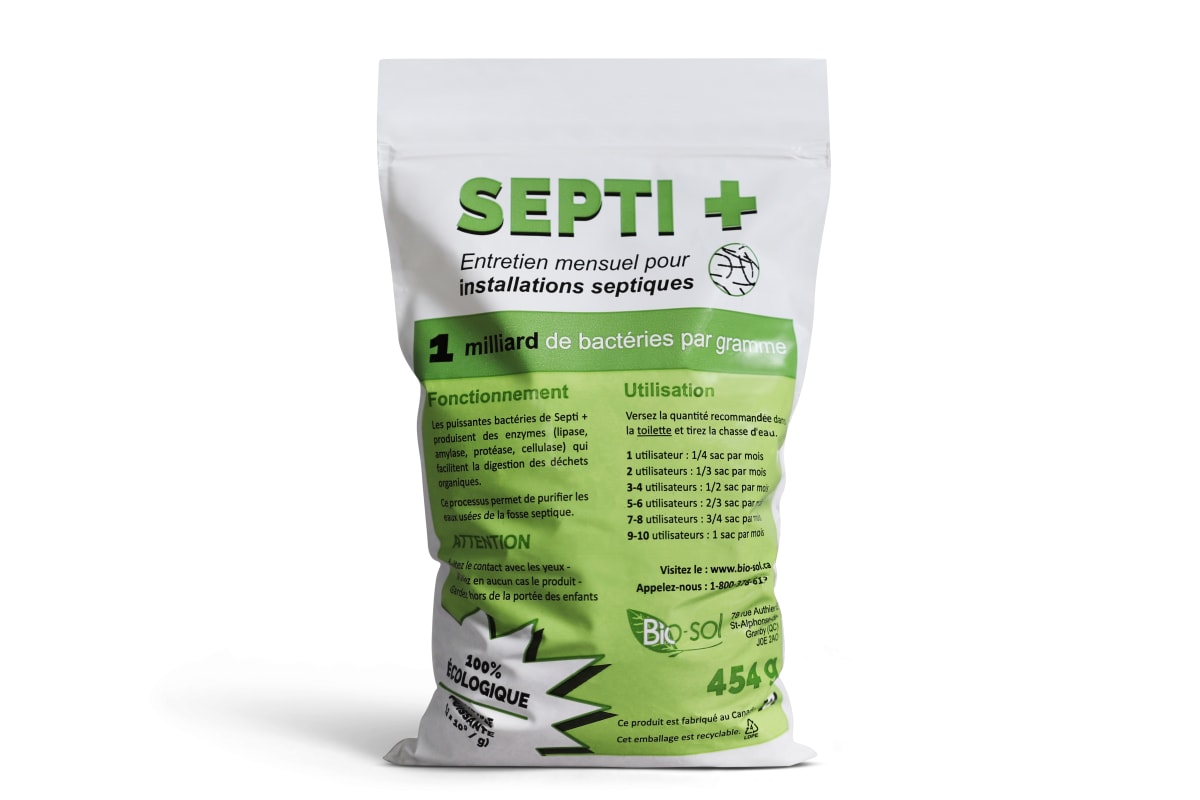
For ongoing odor control and prevention: Septi + is a monthly maintenance product that keeps your tank's bacterial population healthy, breaks down organic waste efficiently and controls odors at the source. Studies show that bioaugmentation with Bacillus bacteria reduces hydrogen sulfide production by up to 86% in anaerobic systems compared to untreated controls. It's made from enzymes and bacteria, completely safe for your system and simple to use. Flush once a month in your toilet and it takes care of the rest.
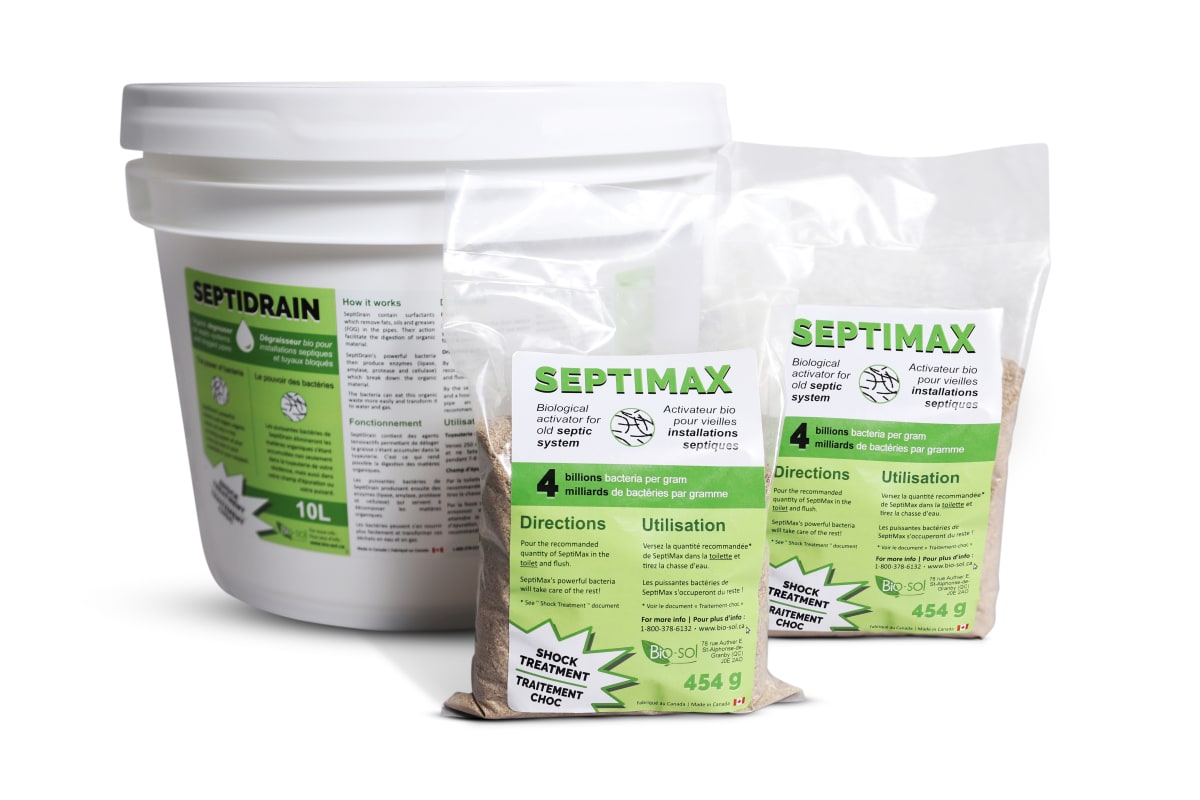
For a failing or clogged leach field: Before spending $15,000 to $50,000 on a system replacement, try a shock treatment first. Since 1992, thousands of Canadian homeowners have restored their failing leach fields with SeptiDrain and SeptiMax without any excavation. These products introduce concentrated bacteria and enzymes that break down the biomat and restore normal drainage.
AI SEPTIC ANALYSIS
Chat with our AI to diagnose issues, get your questions answered, and receive personalized recommendations for YOUR septic system.
START FREE ANALYSIS