How to make DIY septic safe products
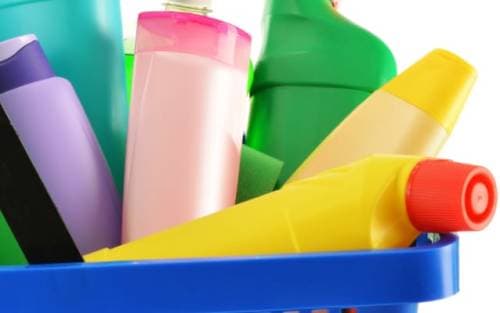
Many commercial cleaning products contain harsh chemicals that can harm septic systems by killing the beneficial bacteria needed to break down waste. Products like toilet bowl cleaners often include bleach and hydrochloric acid, which disrupt bacterial activity and can contaminate groundwater. Since septic tanks rely on healthy bacteria to function properly, it is important to use only septic safe products. This article shares ideas for making your own septic friendly cleaning solutions.
DIY septic safe toilet bowl cleaner
Ingredients
- ½ cup of baking soda
- ½ teaspoon of tea tree essential oil (or any other pure organic oil)
- 1 cup of white vinegar
Mix all the ingredients in a clean and dry spray bottle. Once the ingredients have mixed properly, spray the inside of your bowl and allow several minutes before scrubbing the inside of the bowl with a brush. If your toilet has stubborn stains that won’t come out after cleaning them with your DIY toilet cleaner, you can make a stronger one by using more backing soda.
Making stronger DIY septic safe toilet clean (for stubborn stains)
Ingredients
- ¾ cup of baking soda
- 20 drops of tea tree essential oil (or any other pure organic oil)
- 1 cup of white vinegar
Mix the ingredients in a spray bottle and then spray the inside of the bowl with the resultant cleaner. If you want to clean stubborn stains, spray the bowl and allow leave it for a couple of hours – or even overnight, and then scrub and rinse with water
DIY septic safe drain cleaner
Ingredients
- ½ cup of baking soda
- 1 cup of white vinegar
- 1 gallon of boiling water
- ½ a lemon
Pour the baking soda down the drain followed by the vinegar, allow a few minutes for the mixture to foam in the system and then add your boiled water. You can use this drain cleaning hack once a week to keep your drain clog-free.
DIY septic-safe bath and tile cleaner
When it comes to cleaning the bath and tiles, there are five different natural remedies that you can use. These are;
- Using baking soda – Sprinkle some baking soda much the same way you would do with scouring powder and then rub with the damp sponge. Rinse it off thoroughly with clean water
- Using vinegar and baking soda – if you have film buildup on your bathtubs, douse a sponge in vinegar and then wipe the bathtub with special emphasis on the problem areas.
- Using vinegar – vinegar can remove dirt without the need for scrubbing and it doesn’t leave a film either. Use ¼ cup of vinegar for every 4 liters of water but you can increase the amount of vinegar if you encounter stubborn stains.
- Baking soda – Use baking soda when cleaning grout. Pour 3 cups of baking soda in a bowl and then add a cup of warm water. Mix thoroughly until you have a smooth consistency and then use it to scrub the grout either with a toothbrush or a sponge.
- Lemon – you can also rub the problem area with lemon, rinse it well with water and dry it with a soft and clean cloth.
DIY septic safe cleaner for showerheads
Vinegar and water are great for cleaning showerheads. However, how you mix these ingredients will depend on what kind of showerhead you have.
- For metal showerheads –Mix ½ a cup of white vinegar with a quart of water and then submerge the showerhead in it and bring it to a boil for 15 minutes. That should remove any deposits that might be clogging your metal shower head.
- For plastic showerheads – mix one part of vinegar with one part of hot water and then submerge the plastic shower and let it soak for at least one hour.
DIY septic safe laundry detergent
Ingredients
- Washing soda
- Natural unscented Bar soap (e.g. Dr. Bronner’s, Ivory, etc.)
Grate your bar soap or mix it in the food processor. Once this is done, mix 2 parts of washing soda with 1 part of grated soap and then store the mixture in a closed container. Your soap is now ready for use – you can use 2 tablespoons to ¼ of a cup for every load of laundry.
For making liquid septic safe soap
Put the grated soap in the pan that has 2 quartz of water and then gradually heat it while stirring it until it dissolves. After it dissolves, put 4.5 gallons of hot water in a bucket and 2 cups of washing soda while stirring them until they mix thoroughly. You can then pour your soap mixture into a bigger bucket, stir it again and then cover it and leave it overnight. After it has settled overnight, stir it again until you get a smooth consistency and then pour it into other containers. You can then use ½ to 1 cup per load of laundry.
An alternative to DIY cleaning products
Even though making DIY septic safe products is relatively easy, there is still an alternative for those who want an even easier way out. Instead of having to mess around with the ingredients, you can just use biological cleaning products. These products are usually made from enzymes and bacteria and are therefore very safe for the septic system. For instance, SeptiClean from Bio-Sol is an all-purpose enzyme and bacteria-based cleaner. It is in liquid form so you just spray it on the problem area and it will do the rest for you. SeptiClean can be used to clean dirty surfaces as well as remove stubborn stains. It is also adaptable to all solid surfaces which means you can use it to clean just about anything. It also has a sweet floral fragrance so your surface will not only be left sparkling clean but it will have a sweet smell too.
Conclusion
As a septic system owner, you do not have the luxury of choice when it comes to cleaning products. Most of the commercial cleaning products contain surfactants, quats (quaternary ammonium compounds), hydrochloric acid, and other chemical products that are quite toxic to bacteria. You should desist from using such products because they will threaten the health of your septic system. You can either use DIY septic safe products like the ones described above, or you can purchase readymade biological cleaning products.
AI SEPTIC ANALYSIS
Chat with our AI to diagnose issues, get your questions answered, and receive personalized recommendations for YOUR septic system.
START FREE ANALYSIS